
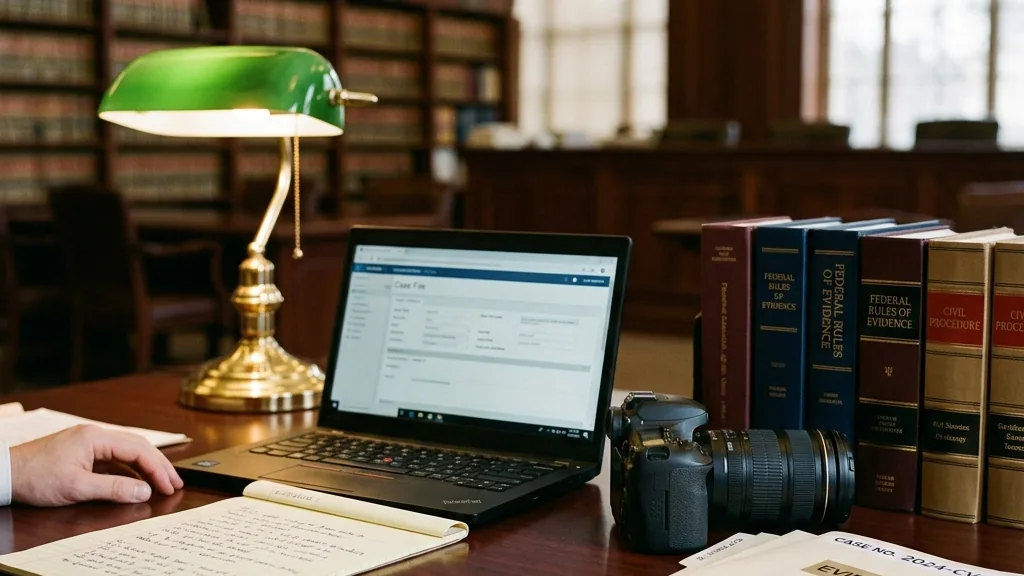
Private Investigator for Lawyers: Professional Litigation Support
Attorneys often use qualified investigators for witness locates, evidence gathering, surveillance, and trial preparation. Scope, licensing, methodology, and evidence handling should be confirmed in writing.
Investigation Services Built for Legal Professionals
The strongest legal strategies are built on solid evidence. But gathering that evidence—locating reluctant witnesses, documenting behavior, verifying financial claims, and uncovering hidden information—requires specialized field skills, databases, and legal knowledge that go far beyond paralegal desk research.
Private investigators for lawyers serve as a direct extension of the legal team. A qualified investigative provider understands court procedures, rules of evidence, chain of custody requirements, and the strategic importance of every piece of information gathered. Whether you are prepping for a civil trial, defending a criminal client, or navigating a high-net-worth divorce, partnering with a licensed investigator gives you a distinct tactical advantage in the courtroom.
How Investigators Support Litigation
A professional investigative agency provides law firms with actionable intelligence and court-ready documentation across a variety of services:
- Witness and Defendant Locates (Skip Tracing): Finding reluctant witnesses, evasive defendants, respondents, and other parties needed for depositions or testimony using advanced people locate methods and proprietary GLBA/DPPA-regulated databases.
- Difficult Process Serving: Professional, documented service of legal documents with affidavits of service. We specialize in serving evasive subjects who actively dodge standard process servers.
- Physical Surveillance: Observing and documenting subject activities relevant to your case, including workers' comp fraud, cohabitation in family law, or personal injury surveillance, complete with date/time-stamped video evidence.
- Deep Background Investigations: Comprehensive research on opposing parties, expert witnesses, jurors, and even opposing counsel to uncover impeachment material. (Learn more about background investigations).
- Financial and Asset Searches: Locating hidden assets for judgment enforcement, high-net-worth divorce cases, and pre-litigation assessment to determine if a defendant is "judgment proof." (See asset search services).
- Accident Scene Investigation: Documenting accident scenes, property conditions, and physical evidence with high-resolution photographs, measurements, and detailed diagrams before conditions change.
- Witness Interviews and Statements: Locating witnesses, conducting forensic interviews, obtaining recorded or signed sworn statements, and preparing detailed interview summaries for discovery.
- Digital OSINT and Social Media Analysis: Documenting, capturing, and preserving public social media content (using metadata-preserving capture software) relevant to your case before the subject deletes it.
- Corporate Due Diligence: Investigating corporate structures, shell companies, and piercing the corporate veil in business litigation. (See corporate investigations).
- Expert Testimony: Providing bulletproof deposition and courtroom testimony regarding investigation methodology, surveillance findings, and evidence chain of custody.
Practice Areas This Work Supports
Family Law
Custody investigations, infidelity evidence, asset searches for divorce, lifestyle analysis
Criminal Defense
Witness locates, scene investigation, alibi verification, evidence review
Civil Litigation
Evidence gathering, surveillance, witness interviews, background research
Personal Injury
Activity surveillance, scene documentation, witness locates, social media preservation
Insurance Defense
Claimant surveillance, fraud investigation, medical canvass, statement taking
Corporate Law
Due diligence, employee investigations, intellectual property protection
The Attorney-Investigator Relationship: What to Look For
Not all private investigators are equipped to handle legal support. When your firm's reputation and your client's future are on the line, you must ensure you are hiring an investigator who understands the legal landscape.
- Strict Adherence to Law: Qualified investigators understand the rules of evidence, privacy laws (like the DPPA and GLBA), wiretapping statutes, and trespassing laws. Illegally obtained evidence will be thrown out and could result in sanctions for your firm.
- Impeccable Work Product: Reports must be formatted for court. Video evidence must be unedited, date-and-time stamped, and backed up. Photographs must be clear. There must be zero gaps in the chain of custody.
- Attorney-Client Privilege: When the investigator is retained directly by your law firm (rather than the end client), their findings, reports, and communications can often be protected under the attorney work-product doctrine. Investigators should sign strict confidentiality agreements.
- Responsive Communication: Litigation moves quickly. Dedicated case investigators provide regular updates, respond promptly to attorney requests, and adapt immediately when the legal strategy pivots.
- Courtroom Presence: The investigator must be articulate, professional, and composed under cross-examination. Their credibility is just as important as the video they captured.
- Licensing and Insurance: The investigator must be properly licensed in the jurisdiction where the work is taking place and carry adequate professional liability insurance. Multi-state cases require careful licensing coordination.
View the cost guide for pricing factors or send an email inquiry with your case requirements, jurisdiction, and deadline to discuss a retainer.
Attorney Investigation Support FAQ
Attorney support may include witness and defendant locates, service support, surveillance, background investigations, asset searches, evidence gathering, scene investigation, interview assistance, trial preparation support, and testimony where qualified.
Attorneys may use investigators in family law, criminal defense, civil litigation, personal injury, insurance defense, workers compensation, real estate, corporate law, estate and probate, and employment law.
Some qualified investigators provide deposition or courtroom testimony. Attorneys should confirm the investigator's license status, qualifications, report format, methodology, and evidence chain of custody before engagement.
A qualified provider should assign a clear point of contact, work within the legal strategy set by counsel, respect privilege boundaries, provide regular status updates, and deliver reports in the preferred timeline and format.
Rates vary by service type, jurisdiction, urgency, and complexity. Attorneys should request a detailed proposal tailored to the case requirements before work begins.
Some providers offer retainer arrangements for law firms with recurring investigation needs. Confirm priority scheduling, staffing, rates, and conflict checks in writing.
Need Investigation Support for Your Case
Send an email inquiry with case requirements, jurisdiction, deadline, and the type of support needed.
Private inquiry - No obligation - Email only